The short answer
For a typical home, removing cavity wall insulation does not need planning permission, because it makes no change to the building's external appearance — the drill holes are repointed and the walls look the same afterwards. It also does not usually require a building control application, since extraction is not classed as building work in the way an extension or structural alteration is. The picture can change in specific cases: a listed building or a conservation area may bring extra controls over any work to the fabric, and refilling the cavity with new insulation is a notifiable energy-efficiency measure under Building Regulations that a registered installer handles through their competent-person scheme. For straightforward removal on an ordinary house, neither planning nor building control consent is generally needed.
Permissions are a common worry, but cavity extraction is one of the less regulated jobs because it changes nothing visible. The exceptions cluster around protected buildings and around the refill rather than the removal.
Removal permissions
- Planning permissionNot normally needed for removal
- Building controlNot normally needed for removal
- Listed buildingCheck — extra consent may apply
- Conservation areaCheck local rules
- RefillingNotifiable under Building Regs (installer handles)
Why removal usually needs no consent
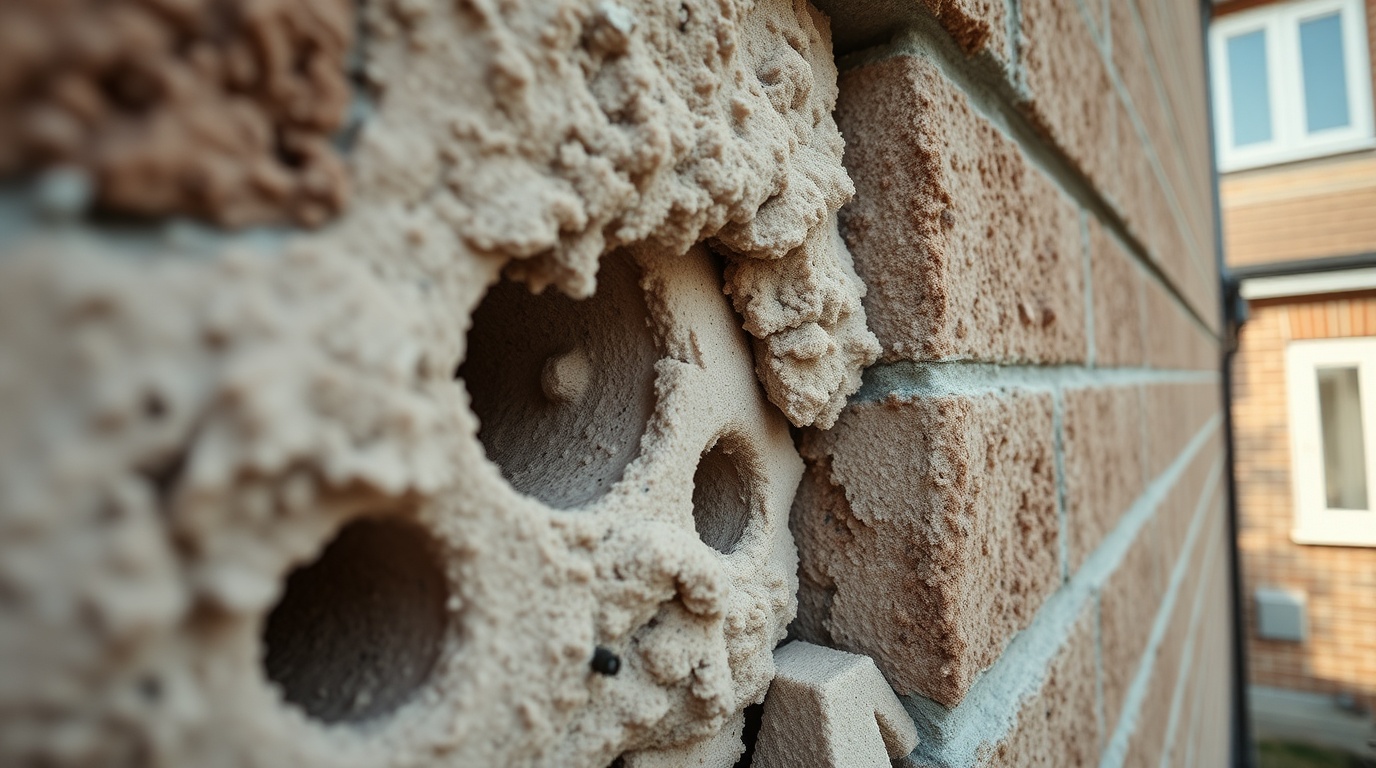
Planning permission is concerned with changes to the use or external appearance of a building. Cavity extraction changes neither: the work is done through small holes in the mortar joints that are then repointed to match, so once finished the wall looks exactly as it did. There is no extension, no new structure and no visible alteration, so for an ordinary house planning permission does not apply.
Building control, meanwhile, oversees the safety and standards of building work — structural alterations, new elements, drainage and the like. Removing insulation from an existing cavity is not building work in that sense; it is a remedial extraction. So a standard removal on a typical home falls outside both regimes.
Where consent does come into play
A handful of situations change the default position, and they are worth checking before work:
| Situation | What may apply |
|---|---|
| Listed building | Listed building consent for work to fabric |
| Conservation area | Local restrictions on external work |
| Refilling the cavity | Notifiable under Building Regulations |
| Flats / leasehold | Freeholder or lease permission |
| Shared/party walls | Neighbourly courtesy, not formal consent |
Situations where removal or refilling may bring extra permissions in the UK. Standard removal on an ordinary house needs none.
The refill is the regulated part
Where regulation does bite is on the refill, not the removal. Installing cavity wall insulation is a thermal element work that is notifiable under the Building Regulations. In practice a homeowner rarely deals with this directly because:
- Registered installers operate under a competent-person scheme and self-certify the work, notifying building control on the homeowner's behalf.
- The installer issues the appropriate paperwork, and a new fill can also carry a CIGA 25-year guarantee and use a BBA-certified system.
So if you extract and then refill, the compliance side of the refill is handled by the installer's scheme membership. The extraction on its own does not trigger this. For listed or conservation-area properties, always confirm the position with the local planning authority first, since protections there can apply to work that would be unrestricted elsewhere.
Frequently asked questions
Do I need planning permission to remove cavity wall insulation?
Not for a typical house. Removal makes no change to the building's external appearance — the holes are drilled into the mortar joints and repointed — so planning permission does not normally apply. Listed buildings and conservation areas are exceptions worth checking.
Is building control needed for cavity extraction?
Generally no. Removing insulation from an existing cavity is a remedial extraction, not building work, so it falls outside building control for a standard home. Refilling the cavity afterwards is notifiable, but a registered installer handles that through their competent-person scheme.
What if my house is listed or in a conservation area?
Then check with your local planning authority before work. Listed building consent can be required for work to the fabric of a listed property, and conservation areas can carry extra restrictions on external work that would otherwise be unrestricted.
Sources & further reading
- GOV.UK — Planning permission and when it is needed
- GOV.UK — Building regulations approval
- CIGA — Cavity Insulation Guarantee Agency
Figures on this page are typical UK ranges drawn from published sources and depend on your specific property. They are guidance, not a quotation.