The short answer
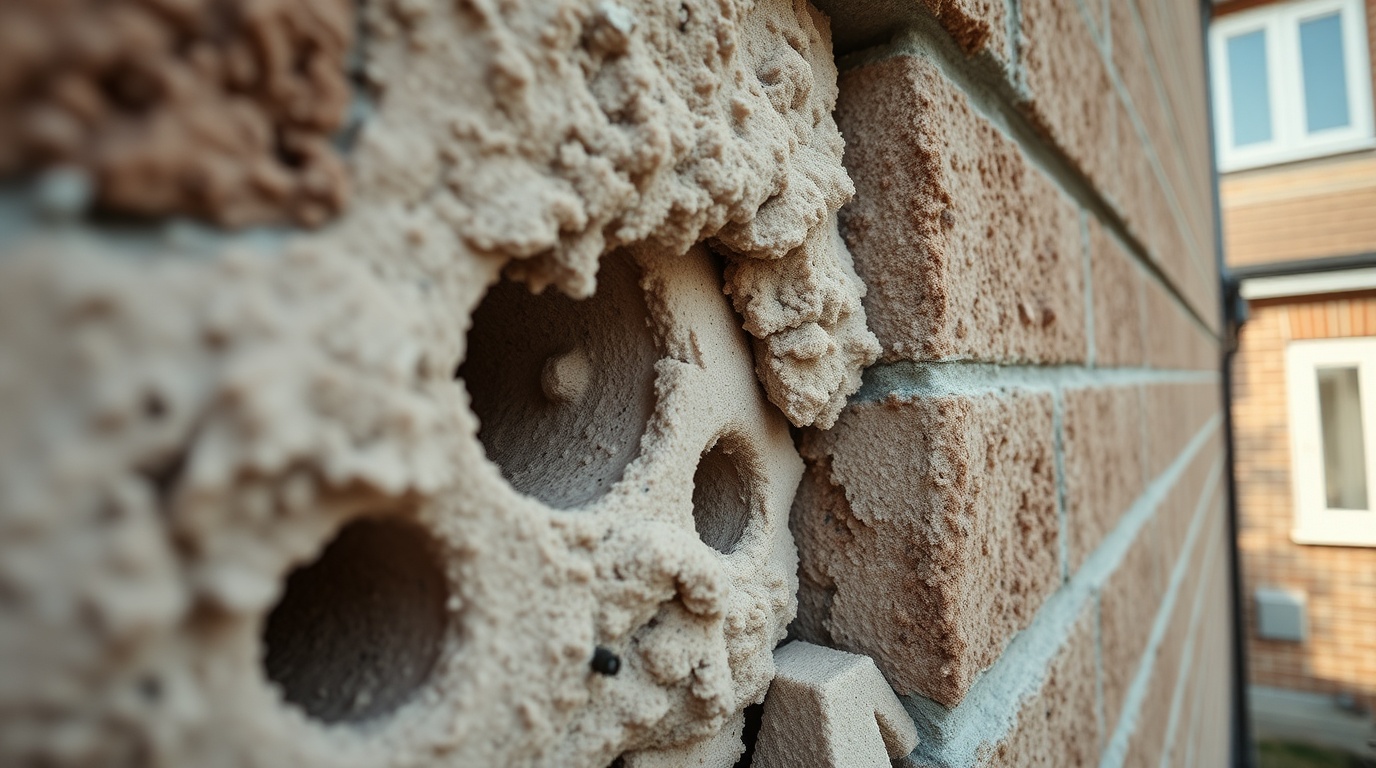
Once the fill is extracted, the cavity is returned to an empty air gap between the inner and outer leaves of the wall — the state it was in before insulation was ever installed. The drill holes are made good with matching mortar, and the wall is then usually left open to dry out, especially when the insulation was removed because it had caused damp. An empty, ventilated cavity lets the masonry release the moisture it absorbed and stops water bridging across to the inner leaf. After that, the homeowner faces a choice: leave the cavity empty (which slightly increases heat loss but suits exposed walls), or once the wall is dry and any defect is fixed, refill with a more suitable insulation such as EPS bead. The original two-leaf wall keeps working structurally either way.
Removing the fill does not change the wall's structure — it restores the gap that was always part of the cavity-wall design. What happens next depends on why the insulation was removed and how exposed the wall is.
The cavity after removal
- Immediate stateEmpty air gap, holes repointed
- Why left emptyTo let the wall dry out
- Heat lossRises slightly vs filled cavity
- Option ALeave empty (exposed walls)
- Option BRefill once dry (suitable walls)
The cavity returns to its original design
A cavity wall is built as two separate leaves of masonry with a gap between them, tied together with metal wall ties. That gap was originally there to stop rain crossing from the wet outer leaf to the dry inner leaf — the cavity is a moisture barrier as much as anything. When insulation was injected, that gap was filled.
Extraction simply restores the empty gap. The wall ties, the two leaves and the structure are unchanged; only the fill is gone. With the access holes repointed, the wall looks the same from outside but once again has a clear air space inside. For many older or exposed properties, that clear cavity is exactly what keeps the inner wall dry.
Why the cavity is left to dry
When insulation is removed because it caused damp, the masonry is usually carrying moisture that the bridged or saturated fill drove across the wall. Leaving the cavity empty and ventilated lets that moisture escape:
- The outer leaf can dry outward rather than pushing water inward through a wet fill.
- The air gap re-establishes the moisture break between the two leaves.
- Any weep holes or vents at the base of the wall help the cavity breathe.
This drying period can take weeks to months. Refilling before the wall is dry would trap moisture against the inner leaf and risk repeating the original problem, which is why a responsible contractor will not refill immediately.
Leave empty or refill: the decision
Once the wall is dry, the homeowner chooses what to do with the cavity:
| Option | Suits | Trade-off |
|---|---|---|
| Leave empty | Exposed walls, severe rain zones | Higher heat loss, no damp risk from fill |
| Refill with EPS bead | Sound, sheltered walls, dried cavity | Restores warmth, repeats risk if wall unsuitable |
| Insulate internally/externally | Where cavity fill is unsuitable | Costlier, but warmth without filling the gap |
Options for the cavity after extraction. The right choice depends on exposure, wall condition and dryness.
Frequently asked questions
Is an empty cavity a problem after removal?
No. The empty air gap is the wall's original design and acts as a moisture barrier between the two leaves. It does mean slightly more heat loss than a filled cavity, but on exposed walls leaving it empty can be the correct long-term outcome.
Will my walls be colder after the insulation is removed?
Heat loss through the walls rises compared with a filled cavity, so yes, the walls will be a little colder unless you refill or add insulation another way. Whether that trade-off is worth it depends on why the fill was removed — if it was causing damp, the dry wall is the priority.
Can I leave the cavity empty permanently?
Yes, particularly on walls exposed to severe wind-driven rain where any cavity fill risks bridging moisture across. If you want the warmth back without refilling the cavity, internal or external wall insulation are alternatives that keep the air gap clear.
Sources & further reading
- CIGA — Cavity Insulation Guarantee Agency
- Property Care Association — cavity wall insulation advice
- Energy Saving Trust — solid and cavity wall insulation
Figures on this page are typical UK ranges drawn from published sources and depend on your specific property. They are guidance, not a quotation.